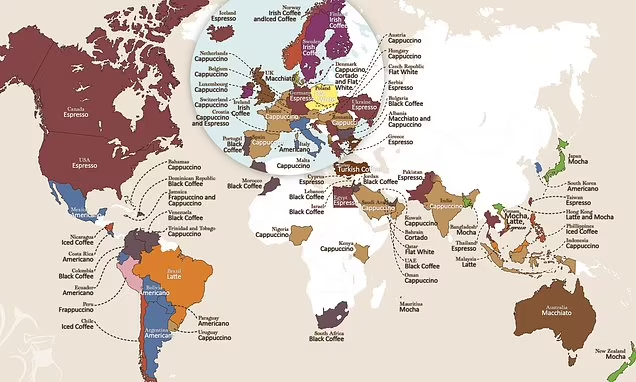
For many travelers, the true pulse of a city isn’t found in its museums, but in its porcelain cups. Europe boasts a legendary relationship with the bean, evolving from centuries-old traditional houses to the cutting-edge “Third Wave” movement. Whether you are seeking a velvety flat white in a minimalist studio or a thick espresso in a historic plaza, the continent offers a diverse landscape for enthusiasts. Navigating the best coffee cities in Europe requires a discerning palate and a sense of adventure. This guide explores the essential destinations where history, technique, and flavor converge to create the ultimate caffeine-fueled itinerary.
1. Vienna’s Traditional Coffee House Culture
Vienna is the spiritual home of European cafe culture. UNESCO even recognizes Viennese Coffee Houses as intangible cultural heritage. Expect marble tables, velvet booths, and the classic Wiener Melange—a delightful mix of espresso and steamed milk topped with foam.
2. Rome’s Standing Espresso Ritual
In Rome, coffee is a fast-paced ritual. Locals rarely sit; they drink their espresso “al banco” (at the bar). For the best experience, visit iconic spots like Sant’ Eustachio Il Caffè, where the water is sourced from ancient aqueducts for a unique taste.
3. Berlin’s Third Wave Revolution
Berlin is the epicenter of modern specialty coffee. Neighborhoods like Kreuzberg and Mitte are packed with roasteries focusing on ethical sourcing and light roasts. The city’s baristas treat coffee like chemistry, ensuring every pour-over is balanced and vibrant.
4. Copenhagen’s Precision Brewing
Copenhagen offers some of the most refined coffee experiences globally. Home to world-champion baristas and the famous Coffee Collective, this city prioritizes direct trade and transparency. The coffee here is often fruity, acidic, and served in beautiful, Scandi-minimalist settings.
5. London’s Diverse Specialty Scene
London’s coffee scene has exploded over the last decade. From the Antipodean-inspired cafes in Soho to the industrial roasters in East London, the variety is staggering. It is the perfect place to find high-quality oat milk lattes and rare micro-lot beans.
6. Paris and the Modern Brasserie
While Paris was once known for “burnt” robusta, a specialty revolution has arrived. New-age shops are blending Parisian chic with high-quality Arabica. You can now enjoy a world-class V60 while looking out over the Canal Saint-Martin or the Tuileries.
7. Amsterdam’s Cozy “Gezellig” Cafes
Amsterdam combines historical charm with modern roasting techniques. The city is famous for its “brown cafes,” but the specialty scene is where the magic happens. Many cafes double as roasteries, providing a fresh aroma that fills the canal-lined streets.
8. Oslo’s Light Roast Perfection
Norway consumes more coffee per capita than almost anywhere else. Oslo is famous for its “Nordic Light” roast style, which preserves the natural floral and berry notes of the bean. Tim Wendelboe’s shop remains a pilgrimage site for coffee purists.
9. Budapest’s Grand New York Café
Budapest is home to the “Most Beautiful Cafe in the World.” The New York Café offers a glimpse into the Austro-Hungarian empire’s luxury. Beyond the opulence, a thriving specialty scene in District VII offers incredible cold brews and espresso tonics.
10. Helsinki’s High Consumption Rates
Finns are the world’s top coffee drinkers. While much of it is consumed at home, Helsinki’s cafe scene is sophisticated and welcoming. Look for small-batch roasters in the Design District that serve exceptionally clean and bright filter coffees.
11. Lisbon’s Iconic Bica
In Lisbon, coffee is affordable and ubiquitous. Ask for a “Bica,” which is similar to an espresso but often pulled longer. Pair it with a Pastel de Nata at a sunny outdoor kiosk for the quintessential Portuguese morning experience.
12. Prague’s Artistic Hubs
Prague blends “Old World” grandeur with “New Wave” energy. Kavárna Místo is a prime example of the city’s dedication to technical excellence. The city’s cafes often serve as community hubs for artists, writers, and digital nomads.
13. Stockholm’s Fika Tradition
Fika is more than a coffee break; it’s a Swedish social institution. In Stockholm, this means slowing down with a high-quality brew and a cardamom bun. The city’s roasters emphasize sustainability and seasonal beans from East Africa.
14. Istanbul’s Sandy Brews
While technically bridging two continents, Istanbul’s coffee history is foundational to Europe. Traditional Turkish coffee, brewed in a cezve over hot sand, offers a thick, unfiltered experience that is both a drink and a cultural ceremony.
15. Edinburgh’s Roasted Gems
Scotland’s capital has a surprisingly robust coffee scene. Local roasters like Lowdown or Cult Espresso provide a warm refuge from the misty weather. The focus here is on community and showcasing the distinct profiles of different coffee origins.
16. Milan’s High-End Espresso
As the birthplace of the espresso machine, Milan takes its caffeine seriously. While traditional bars dominate, luxury spots like the Starbucks Reserve Roastery have pushed local independent shops to elevate their craft even further for a discerning public.
17. Zurich’s Sophisticated Sips
Zurich offers a high-end coffee experience reflecting its polished reputation. The city features sleek cafes where precision is paramount. Expect perfectly steamed milk and beans sourced from the world’s most prestigious estates, often served with Swiss chocolate.
18. Athens’ Iced Coffee Innovation
Athens is the king of cold coffee. While the Frappé was the original staple, the “Freddo Espresso” is the modern choice. Greek baristas are world-renowned for their skills, making Athens a top destination for iced beverage lovers.
19. Dublin’s Creative Roasteries
Dublin has moved far beyond tea. The city’s specialty coffee scene is vibrant and friendly, with shops like 3FE leading the way. The Irish capital excels at creating inclusive spaces where the science of brewing meets genuine hospitality.
20. Barcelona’s Roasted Sunlight
Barcelona’s coffee scene is as sunny as its weather. With roasters like Nomad Coffee, the city has become a Mediterranean hub for specialty beans. It’s the ideal place to enjoy a flat white before heading to the beach.
SEO Meta Description
Discover the best coffee cities in Europe with our expert caffeine map. From Vienna’s historic houses to Berlin’s third-wave shops, find your next perfect brew.
Focus Keywords
- Best coffee cities in Europe
- European coffee culture
- Specialty coffee roasters
- Best espresso in Italy
- Third wave coffee Europe
- Vienna coffee houses
- Coffee travel guide
FAQ Section
What is the best city for specialty coffee in Europe? Berlin and Copenhagen are widely considered the leaders in the specialty “Third Wave” coffee movement due to their high concentration of award-winning roasteries.
How do I order coffee in Italy without looking like a tourist? Drink your espresso at the bar, and avoid ordering milk-based drinks like cappuccinos after 11:00 AM, as Italians consider milk heavy on the digestion after a meal.
Which European country drinks the most coffee? Finland consistently ranks as the highest coffee-consuming country per capita in the world, followed closely by other Nordic nations like Norway and Iceland.
Internal Linking Suggestions
- The Ultimate Guide to Traditional Italian Pastries
- How to Recreate the Viennese Cafe Experience at Home
- Top 10 Hidden Gem Eateries in Berlin
Conclusion
Exploring the best coffee cities in Europe is a journey through history, chemistry, and community. From the ritualistic espresso bars of Rome to the meticulous roasteries of Scandinavia, each city offers a unique flavor profile and atmosphere. Whether you prefer the charm of an old-world cafe or the precision of a modern laboratory, Europe’s coffee landscape is richer than ever. Grab your mug and start planning your next caffeine-inspired adventure across the continent.
Leave a Reply