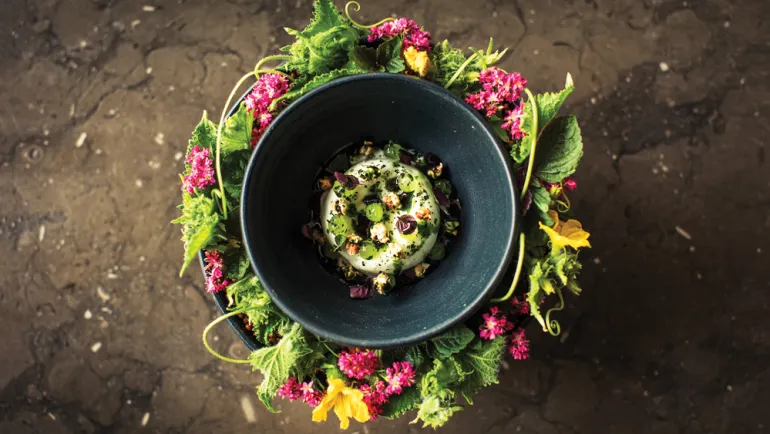
We’ve all sat in a high-end restaurant, staring at a plate of food that looks more like a gallery piece than a meal, wondering: How do they do it? Achieving that level of culinary perfection seems like a feat reserved for elite chefs in white toques. However, the truth is that many Michelin star secrets aren’t about expensive equipment, but rather about precision, technique, and a fundamental shift in how you view ingredients. By mastering a few professional habits, you can elevate your home cooking from “good” to “extraordinary,” transforming your kitchen into a private gourmet studio.
1. The Art of Mise en Place
Before a single flame is lit, every ingredient must be washed, chopped, measured, and placed in individual bowls. This “mise en place” ensures you never burn garlic while searching for salt. It creates a calm, focused environment where you can prioritize timing and technique over frantic preparation.
2. Seasoning in Layers
Michelin chefs don’t just salt at the end; they season throughout the entire cooking process. Adding small amounts of salt at each stage builds a deep, complex flavor profile. This technique ensures that the core of the ingredient is seasoned, rather than just the surface of the finished dish.
3. Mastering the Pan Sear
Achieving a perfect crust requires patience and high heat. Professional chefs wait for the oil to shimmer before adding protein, then leave it untouched until it naturally releases from the pan. This creates the Maillard reaction, a chemical process that produces the savory, “browned” flavor profile essential to fine dining.
4. Using Acid to Balance Fat
When a dish feels “heavy” or dull, it usually lacks acid, not salt. A squeeze of lemon juice or a splash of high-quality vinegar can brighten a rich sauce or fatty cut of meat instantly. It acts as a palate cleanser, making every bite feel fresh.
5. The Power of Cold Butter
To get that glossy, restaurant-quality finish on sauces, use “monter au beurre.” Whisking cubes of very cold butter into a hot sauce at the very end creates an emulsion. This adds a silky texture and a rich sheen that you simply cannot achieve with oil.
6. Resting Your Proteins
Cutting into a steak immediately after cooking is a cardinal sin in professional kitchens. Resting meat for at least half its cooking time allows the fibers to relax and the juices to redistribute. This ensures your meat stays moist and flavorful rather than leaking onto the plate.
7. Investing in Sharp Knives
A dull knife crushes cells, while a sharp knife slices through them cleanly. This isn’t just about safety; it’s about flavor. Clean cuts in herbs like basil or chives prevent bruising, keeping the colors vibrant and the aromatic oils inside the plant until they hit your tongue.
8. Homemade Stocks Over Water
The secret to the incredible depth of Michelin-starred soups and sauces is the base. Professionals rarely use plain water or store-bought broth. Making a concentrated stock from roasted bones and aromatics provides a gelatinous body and umami kick that defines high-end cuisine.
9. Controlling Heat Levels
Home cooks often use “medium-high” for everything, but Michelin chefs treat the flame like a volume knob. Knowing when to use a gentle poach versus a hard sear is vital. Precise temperature control prevents delicate fats from breaking and keeps proteins from becoming rubbery or dry.
10. Plating with Negative Space
Great chefs know that what you leave off the plate is as important as what you put on it. Avoid overcrowding. Use the “rule of thirds” and leave plenty of white space to let the colors of the food pop. Elevation and clean margins create immediate visual appeal.
11. Straining for Smoothness
For a truly professional texture, pass your purees and sauces through a fine-mesh sieve or chinois. This removes tiny lumps, fiber, and air bubbles, resulting in a velvet-like consistency. It is the difference between “mashed potatoes” and a world-class potato mousseline.
12. Using Dry Heat for Crispy Skin
If you want crispy fish or chicken skin, the surface must be bone-dry. Chefs use paper towels to pat the skin dry and often leave it uncovered in the fridge for hours. Any moisture on the skin will steam rather than crisp when it hits the oil.
13. Understanding Residual Cooking
Food continues to cook after it is removed from the heat source. Michelin chefs pull meat or vegetables off the stove just before they reach the “perfect” doneness. This prevents overcooking, ensuring that by the time the plate reaches the table, it is exactly right.
14. Toasting Your Spices
To unlock the full potential of dried spices, chefs always toast them in a dry pan until fragrant. This releases the essential oils that have become dormant during storage. This small, two-minute step can triple the aromatic impact of your spice blends and curries.
15. The Importance of Texture Contrast
A perfect dish should hit multiple sensory notes. Professional plating almost always includes something crunchy, something creamy, and something tender. Adding toasted nuts, a tuile, or pickled vegetables adds an intellectual layer to the eating experience that keeps the palate engaged.
SEO Meta Description
Unlock your culinary potential with these Top 10 Michelin star secrets. Learn professional techniques for seasoning, plating, and flavor balancing to cook like a pro at home.
Focus Keywords
- Michelin star secrets
- Professional cooking techniques
- Fine dining at home
- Culinary tips for home cooks
- How to plate like a chef
- Restaurant quality cooking
- Kitchen hacks for foodies
FAQ Section
Q: Do I need expensive copper pans to cook like a Michelin chef? A: Not necessarily. While high-quality cookware helps with heat distribution, mastering heat control and technique on your current equipment is far more important than the brand of your pans.
Q: What is the most important tool for a home cook? A: A high-quality, sharp chef’s knife. It improves your speed, safety, and the texture of your ingredients, which is the foundation of any great meal.
Q: Why does restaurant food always taste better than home-cooked food? A: It usually comes down to three things: higher quality fats (butter/oil), higher salt content, and the use of homemade stocks instead of water.
Internal Linking Suggestions
- The Ultimate Guide to Kitchen Knives: A deep dive into choosing and maintaining your most important tool.
- 5 Mother Sauces Every Cook Should Know: Learn the building blocks of professional French cuisine.
- How to Master the Art of Food Plating: Detailed visual tips for making your home-cooked meals look like art.
Conclusion
Elevating your cooking doesn’t require a culinary degree; it requires a commitment to the details. By incorporating these Michelin star secrets—from the discipline of mise en place to the precision of resting your proteins—you can bridge the gap between amateur and professional. Start with one or two techniques, master them, and watch as your home kitchen transforms into a space of true gastronomic excellence. Happy cooking!
Leave a Reply