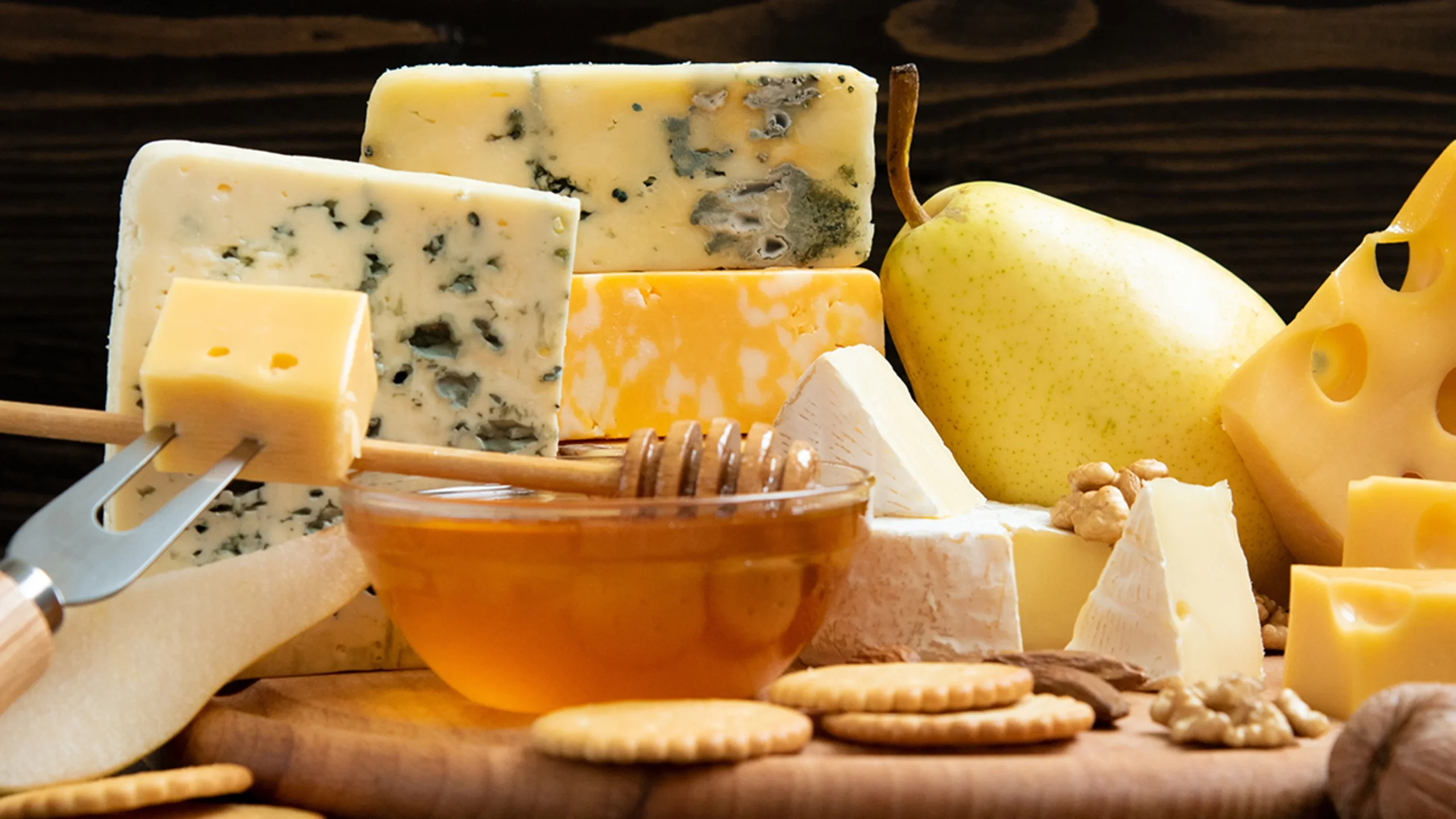
Cheese is more than just a topping; it is a global language of flavor, texture, and tradition. For the true epicurean, understanding the nuances between a sharp cheddar and a creamy camembert is essential for elevating home cooking and hosting the perfect gathering. With thousands of types produced worldwide, the sheer variety can be overwhelming. This guide explores 15 cheese varieties every foodie must know, diving into their unique profiles, origins, and the best ways to enjoy them. Whether you are building an artisan charcuterie board or looking for the perfect melt, mastering these essentials will transform your culinary repertoire.
1. Parmigiano-Reggiano (The King of Cheeses)
True Parmigiano-Reggiano is a crystalline, umami-rich masterpiece from Italy. Aged for at least 12 months, its gritty texture and nutty profile make it indispensable. Don’t settle for the canned stuff; freshly grated shards add a savory depth to pastas, risottos, and even simple salads.
2. Brie de Meaux
Often called the “Queen of Cheeses,” this soft-ripened French classic features a bloomy white rind and a buttery, mushroomy interior. It should be served at room temperature to ensure the paste is perfectly gooey, making it the ultimate centerpiece for any high-end cheese plate.
3. Sharp Cheddar
Originating from the English village of Cheddar, this firm cow’s milk cheese becomes increasingly crumbly and pungent as it ages. A high-quality aged cheddar offers a complex tang that pairs beautifully with crisp apples, sourdough bread, or a full-bodied craft ale.
4. Roquefort
This sheep’s milk blue cheese from Southern France is tangy, moist, and crumbly. Known for its distinctive blue veins of Penicillium roqueforti, it offers a sharp, salty punch. It is traditionally enjoyed with walnuts and honey to balance its intense, spicy mineral notes.
5. Fresh Mozzarella
Unlike the low-moisture blocks found in pizza aisles, fresh mozzarella is milky and delicate. Whether it’s Buffalo Mozzarella or Fior di Latte, its soft elasticity is best showcased in a Caprese salad with heirloom tomatoes, fresh basil, and a drizzle of extra virgin olive oil.
6. Manchego
Spain’s most famous cheese is made from the milk of Manchega sheep. It is characterized by its firm texture and a distinctive herringbone rind. The flavor is buttery with a slight piquancy, making it a natural partner for sweet membrillo (quince paste).
7. Gruyère
Hailing from Switzerland, Gruyère is a smooth-melting cheese with a sweet yet slightly salty flavor. It is the essential ingredient for authentic French onion soup and fondue. As it matures, it develops tiny salt crystals that provide a delightful crunch and complexity.
8. Feta
This brined curd cheese from Greece is traditionally made from sheep’s milk or a goat’s milk blend. It is salty, tangy, and crumbly, providing a sharp contrast to fresh Mediterranean vegetables. It is surprisingly versatile, working just as well when baked or whipped into dips.
9. Gouda
While many know the mild, red-waxed version, aged Gouda is a revelation. Over time, it turns hard and amber-colored, developing flavors of burnt caramel and butterscotch. It is a fantastic dessert cheese that stands up well to dark chocolate or a glass of port.
10. Camembert
Similar to Brie but often more intense, Camembert has a deeper, earthy aroma reminiscent of the forest floor. It is usually sold in small wooden boxes, which can actually be used to bake the cheese in the oven for a decadent, dip-style appetizer.
11. Gorgonzola
This Italian blue cheese comes in two main styles: Dolce (sweet and creamy) and Piccante (firm and spicy). Gorgonzola is incredibly versatile in the kitchen, adding a luxurious creaminess to steak sauces, polenta, or even paired with sliced pears for a sophisticated dessert.
12. Taleggio
Don’t let the strong “stinky” aroma fool you; Taleggio is remarkably mild and fruity on the palate. This Italian washed-rind cheese has a thin, orange crust and a soft, spreadable interior that melts beautifully over hot polenta or inside a gourmet grilled cheese.
13. Pecorino Romano
Often confused with Parmesan, Pecorino is made from sheep’s milk and is significantly saltier and more pungent. It is the backbone of classic Roman pastas like Cacio e Pepe and Carbonara, providing a sharp, savory kick that cow’s milk cheeses cannot replicate.
14. Havarti
This Danish semi-soft cheese is the king of snackability. It is buttery, creamy, and mild, often infused with herbs like dill or jalapeños. Because it melts so evenly, it is a favorite for sandwiches and burgers where a smooth texture is the priority.
15. Chèvre (Goat Cheese)
Fresh Chèvre is bright, citrusy, and creamy. It lacks the heavy fat feel of cow’s milk cheese, offering a refreshing acidity instead. It is perfect for crumbling over beet salads, spreading on crostini, or stuffing into Peppadew peppers for a quick, elegant snack.
SEO Meta Description
Discover the 15 cheese varieties every foodie must know. From creamy Brie to sharp Manchego, learn the flavors, origins, and pairing tips for the world’s best cheeses.
Focus Keywords
- Cheese varieties
- Artisan cheese guide
- Best cheeses for foodies
- Types of cheese
- Cheese pairing tips
- Gourmet cheese list
FAQ Section
Q: What is the best way to store artisan cheese? A: Avoid plastic wrap, which can “suffocate” the cheese. Instead, use cheese paper or parchment paper, then place it in a loose plastic bag to allow the cheese to breathe while retaining moisture.
Q: Can I eat the rind on soft cheeses like Brie? A: Yes! The rinds on soft-ripened cheeses like Brie and Camembert are perfectly edible and contribute significantly to the flavor and texture of the cheese.
Q: Why does some cheese have “crunchy” bits? A: Those are usually tyrosine crystals, which form as proteins break down during the aging process. They are a sign of a well-aged, high-quality cheese, commonly found in Gruyère, Parmesan, and aged Cheddar.
Internal Linking Suggestions
- The Ultimate Guide to Pairing Wine and Cheese
- How to Build a Professional Charcuterie Board at Home
- Top 10 International Appetizers for Your Next Dinner Party
Conclusion
Exploring the world of cheese is a rewarding journey for any food lover. From the sharp, crystalline depths of an aged Parmigiano to the velvety decadence of a fresh Brie, these 15 cheese varieties every foodie must know offer a foundation for endless culinary creativity. By understanding their unique characteristics and histories, you can better appreciate the craftsmanship behind every wheel. Next time you visit your local cheesemonger, step outside your comfort zone and try something new!
Leave a Reply