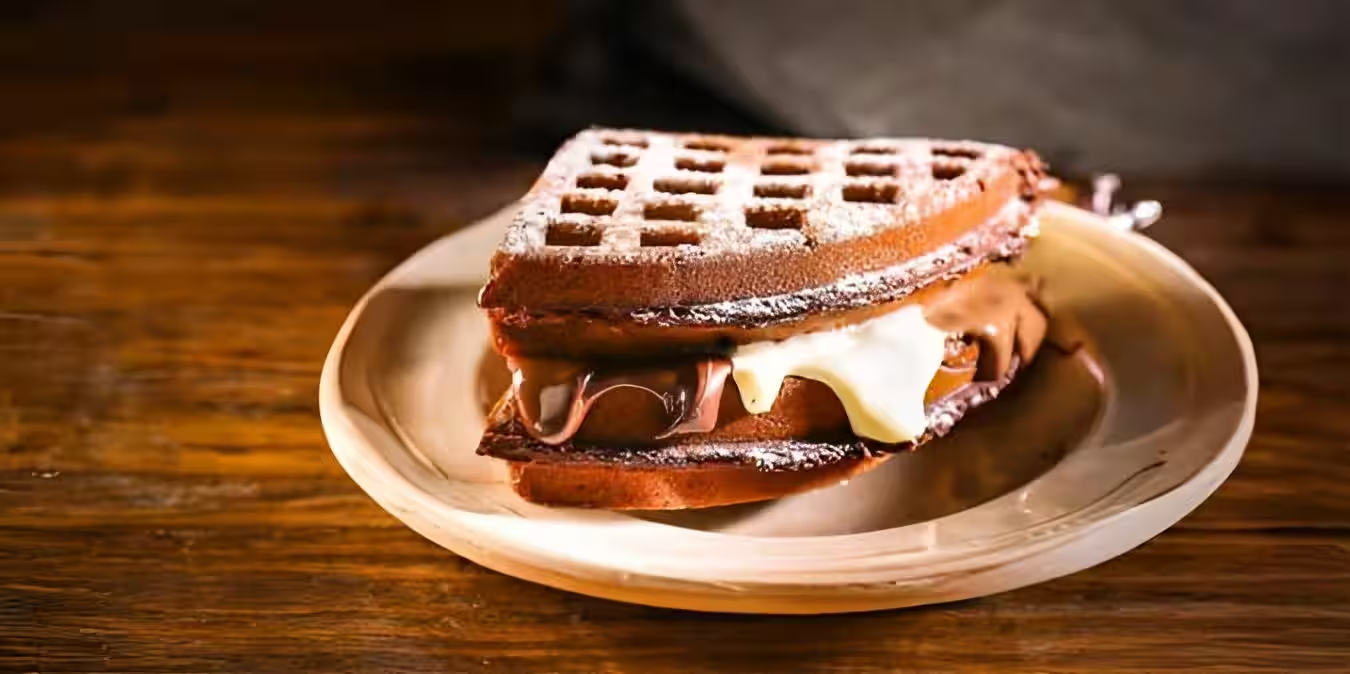
When most people think of Belgian cuisine, their minds immediately drift to golden, syrup-drenched waffles or salty paper cones filled with crispy frites. While these are undisputed national treasures, there is a much deeper culinary story to tell. To truly experience Belgian Bliss: Beyond Waffles and Fries, one must dive into a world of slow-cooked stews, fresh North Sea seafood, and sophisticated chocolate craftsmanship. Belgium’s food scene is a refined blend of French elegance and hearty German comfort. This guide explores the diverse, savory, and sweet flavors that make Belgium a premier destination for food lovers seeking authentic gastronomic depth.
1. The Soul of Carbonnade Flamande
This hearty beef stew is the ultimate Belgian comfort food. Unlike French boeuf bourguignon which uses wine, this dish is simmered in dark Belgian abbey beer. The result is a rich, slightly sweet, and deeply savory sauce that melts in your mouth with every bite.
2. Moules-Frites: The National Duo
While we are looking beyond basic fries, mussels are essential. Typically steamed in white wine, shallots, and parsley, these large pots of North Sea mussels are served with a side of crispy potatoes. It is a communal, messy, and delicious coastal tradition.
3. The Art of Belgian Pralines
Belgium invented the hard-shelled chocolate praline in 1912. Unlike mass-produced bars, authentic Belgian chocolate focuses on high cocoa butter content and artisanal fillings. Visiting a local chocolatier offers a glimpse into a century-old tradition of tempering and molding perfection.
4. Waterzooi: A Gent Classic
Originating in Ghent, Waterzooi is a creamy stew traditionally made with fish, though chicken is now more common. It features a silky broth thickened with egg yolks and cream, packed with carrots, leeks, and potatoes for a delicate, warming meal.
5. Stoemp: Elevated Comfort
Stoemp is Belgium’s answer to mashed potatoes, but with a nutritious twist. It involves mashing potatoes with various root vegetables like carrots, leeks, or cabbage. Often served alongside smoked sausage or bacon, it provides a rustic, flavorful base for many dinners.
6. Gray Shrimp Croquettes
Known locally as Garnaalkroketten, these are a coastal delicacy. Tiny, flavorful gray shrimps from the North Sea are folded into a thick béchamel sauce, breaded, and fried. The contrast between the crunchy exterior and the molten, shrimpy interior is pure bliss.
7. Speculoos: More Than a Biscuit
These spiced shortbread cookies are infused with cinnamon, nutmeg, and cloves. While famous as a coffee accompaniment, Belgians use speculoos in everything from spreadable pastes to cheesecake crusts, embodying the warm, aromatic spices of the Benelux region.
8. Endives au Jambon
This dish features chicory (endives) wrapped in ham, smothered in a cheesy béchamel sauce, and baked until bubbling. It perfectly balances the natural bitterness of the vegetable with the saltiness of the ham and the richness of the cheese.
9. The Trappist Beer Tradition
Belgium is home to several Trappist breweries where monks oversee the production of world-class ales. These beers aren’t just for drinking; they are integral ingredients in gravies and marinades, providing a complex depth of flavor unmatched by commercial lagers.
10. Filet Américain: A Bold Choice
Similar to steak tartare, Filet Américain is finely minced raw beef seasoned with onions, capers, and mustard. It is frequently spread on crusty bread as a lunchtime staple, showcasing the Belgian preference for high-quality, fresh ingredients and bold seasoning.
11. Vol-au-Vent: Pastry Perfection
This dish consists of a light, flaky puff pastry shell filled with a creamy chicken and mushroom ragout. Small meatballs are often added to the mix. It’s a nostalgic “Sunday meal” for many Belgians, representing the country’s love for delicate French-style pastry.
12. Tarte au Riz (Rice Tart)
Hailing from the Verviers region, this is a custard-like tart filled with creamy rice pudding. It is dense, satisfying, and far less sweet than typical American desserts, making it a favorite for afternoon tea or a quick bakery snack.
13. Asparagus Flemish Style
During “White Gold” season (spring), white asparagus takes center stage. The Flemish preparation is simple yet elegant: the stalks are drizzled with melted butter and topped with chopped hard-boiled eggs and fresh parsley, highlighting the vegetable’s delicate sweetness.
14. Lapin aux Pruneaux
Rabbit with prunes is a classic Wallonian dish. The acidity of the beer-based sauce balances the sweetness of the dried fruit, creating a sophisticated flavor profile. It demonstrates the Belgian knack for pairing meat with fruit to create complex, savory sauces.
15. Cuberdons: The “Noses” of Ghent
These cone-shaped candies have a hard outer shell and a gooey, raspberry-flavored center. Because they have a short shelf life, they are rarely exported, making them a must-try “secret” treat for anyone visiting the Flanders region.
16. Sole Meunière
Fresh from the North Sea, Dover sole is a prized fish in Belgian coastal towns. Prepared “Meunière” style, it is lightly floured and sautéed in brown butter with lemon and parsley, offering a light yet luxurious dining experience.
17. Jenever: The Ancestor of Gin
Before there was gin, there was Jenever. This juniper-flavored liquor is a traditional spirit in Belgium. Tasting rooms often serve dozens of varieties, ranging from grain-based “old” styles to modern, fruit-infused versions that serve as the perfect digestif.
18. Belgian Cheese Culture
While overshadowed by France, Belgium produces over 300 varieties of cheese. From the pungent Limburger to the creamy Abbey cheeses, the local dairy culture is robust. A “kaasschotel” (cheese platter) is a standard way to end a formal meal.
19. Tomates aux Crevettes
This refreshing summer dish features hollowed-out raw tomatoes stuffed with a mixture of tiny gray shrimp and mayonnaise. It is served cold, often as an appetizer, and highlights the incredible freshness of local Belgian seafood harvests.
20. Sirop de Liège
This thick, dark fruit spread is made from evaporated apples, pears, and dates. It’s not just for toast; Belgians use it as a glaze for meats or a sweetener in sauces, adding a concentrated fruity depth to savory dishes.
SEO Meta Description
Discover the hidden gems of Belgian cuisine in “Belgian Bliss: Beyond Waffles and Fries.” Explore authentic stews, seafood, and chocolates that define this food culture.
Focus Keywords
- Belgian cuisine
- Carbonnade Flamande
- Belgian food guide
- Traditional Belgian recipes
- Belgian chocolate pralines
- North Sea seafood
- Trappist beer dishes
FAQ Section
Q: What is the most popular traditional meal in Belgium? A: While Moules-Frites is the most famous, Carbonnade Flamande (beef beer stew) is considered the ultimate national comfort dish.
Q: Is Belgian chocolate really the best in the world? A: Many experts believe so because of the strict 1994 “Belgian Chocolate Code,” which ensures high-quality ingredients and traditional production methods are used.
Q: What makes Belgian beer unique for cooking? A: Belgian beers, especially Abbey and Trappist ales, have complex yeast profiles and sugar contents that caramelize beautifully in slow-cooked stews and sauces.
Internal Linking Suggestions
- The Ultimate Guide to European Street Food (Linking to the street food culture)
- Top 10 Chocolate Destinations for Sweet Lovers (Linking to the chocolate section)
- How to Pair Craft Beer with Savory Stews (Linking to the beer and Carbonnade section)
Conclusion
Exploring Belgian Bliss: Beyond Waffles and Fries reveals a culinary landscape defined by tradition, quality, and a unique “Burgundian” lifestyle. From the coastal flavors of gray shrimp to the earthy richness of beer-based stews, Belgium offers a sophisticated palette that satisfies every craving. Next time you visit, look past the tourist stalls and sit down at a local bistro to experience the true heart of Belgian gastronomy.
Leave a Reply