The Mediterranean sun has long nurtured a culinary rivalry that defines the very essence of European comfort food. When we look at the battle of the Southern classics, we aren’t just comparing ingredients; we are exploring the cultural souls of Italy and Spain. Pizza and paella represent the pinnacle of regional mastery, turning humble staples like dough and rice into world-renowned icons. Whether you crave the charred, doughy crust of a Neapolitan pie or the saffron-infused depth of a Valencian pan, understanding these dishes requires a deep dive into their heritage, techniques, and the passionate debate over authenticity.
1. The Heritage of Neapolitan Pizza
The journey of pizza began in the vibrant streets of Naples. Originally a meal for the working class, it evolved from simple flatbreads to the refined Margherita we adore today. Its history is rooted in utilizing local, fresh ingredients to create a fast yet deeply satisfying meal.
2. The Roots of Valencian Paella
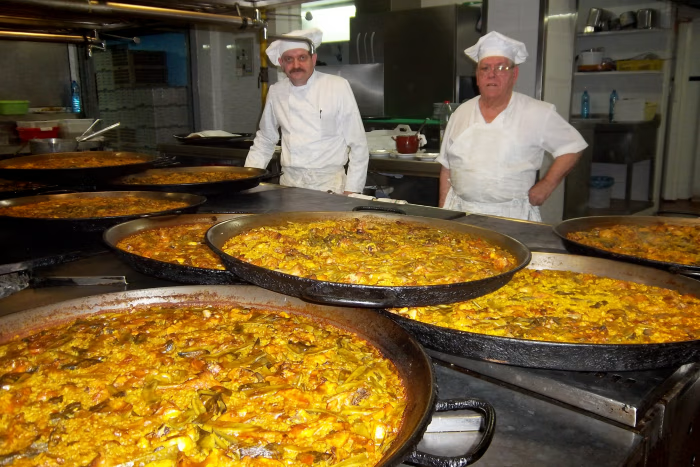
Paella originated in the marshlands of Valencia, Spain, as a hearty lunchtime dish for farmers. Traditionally cooked over an open fire of orange wood, it utilized short-grain rice and whatever proteins were available, such as rabbit or snails, creating a complex, communal feast.
3. Dough vs. Rice: The Structural Base
The fundamental difference in this culinary showdown lies in the starch. Pizza relies on a fermented, high-hydration wheat dough that provides a chewy, airy structure. Paella, conversely, focuses on the “Bomba” rice grain’s ability to absorb broth without losing its distinct, firm texture.
4. The Magic of the Wood-Fired Oven
Authentic pizza demands extreme heat, often exceeding 425°C. This intense environment causes the “leopard spotting” on the crust, cooking the dough in under ninety seconds. This rapid expansion creates a soft interior and a crisp exterior that stovetop ovens simply cannot replicate.
5. Open Flame Cooking for Paella
Traditional paella is defined by the smoky aroma of an outdoor fire. The wide, shallow pan (the paellera) allows for even evaporation and ensures every grain of rice is infused with the scent of the burning wood, a crucial element for authentic flavor profiles.
6. The “Socarrat” Factor
In the world of paella, the socarrat—the caramelized, crunchy layer of rice at the bottom of the pan—is the ultimate prize. Achieving this requires precise heat control at the end of the cooking process, creating a textural contrast that pizza lovers often compare to a perfect crust.
7. San Marzano Tomatoes: Italy’s Red Gold
A true Southern classic pizza is nothing without the San Marzano tomato. Grown in the volcanic soil of Mount Vesuvius, these tomatoes offer a perfect balance of sweetness and acidity, providing the vibrant red base that defines the Neapolitan style.
8. Saffron: The Soul of the Spanish Pan
Saffron is the world’s most expensive spice and the ingredient that gives paella its iconic golden hue. Beyond color, it provides a subtle, earthy floral note that ties the seafood, meat, and vegetables together into a cohesive, aromatic masterpiece.
9. Fresh Mozzarella: The Creamy Crown
The choice of cheese is vital for pizza. Mozzarella di Bufala or Fior di Latte provides the moisture and fat needed to balance the acidic tomato sauce. Its ability to melt into creamy pools without becoming oily is a hallmark of quality.
10. Seafood vs. Land Meats
While “Paella Mixta” is popular globally, traditionalists often debate the inclusion of seafood versus meat. Pizza follows a similar path; while some prefer salty anchovies, others stick to the classic cured meats like spicy salami or prosciutto crudo.
11. The Rule of Simplicity
One key insight into the battle of the Southern classics is that less is often more. A Margherita uses only four main ingredients. Similarly, the best paellas don’t overcomplicate the pan, allowing the quality of the rice and stock to shine.
12. Regional Variations of Pizza
Italy offers more than just Naples. From the thin, cracker-like crust of Rome to the thick, fluffy sfincione of Sicily, pizza adapts to its environment. Each region uses local olive oils and herbs to put a unique stamp on the classic.
13. The Diversity of Spanish Rice Dishes
Not all Spanish rice is paella. Arroz a banda or Arroz negro (squid ink rice) offer different experiences. However, the Valencian version remains the standard-bearer for the Southern classics, representing the peak of Spanish culinary technique and pride.
14. Fermentation and Digestibility
Modern pizza artisans focus heavily on long fermentation periods, sometimes up to 72 hours. This breaks down gluten and complex starches, making the crust lighter, tastier, and much easier on the digestive system than mass-produced versions.
15. The Importance of the Stock
While pizza relies on the sauce, paella relies on the caldo (stock). A rich, homemade broth made from fish heads or chicken bones is the secret weapon that separates a mediocre rice dish from a world-class Spanish classic.
16. Communal Dining Traditions
Both dishes are inherently social. Pizza is often shared among friends in a casual setting, while paella is traditionally eaten directly from the pan during Sunday family gatherings. They both celebrate the Southern European philosophy of slow, shared meals.
17. Olive Oil: The Liquid Gold
In both Italy and Spain, high-quality extra virgin olive oil is non-negotiable. Whether it’s drizzled over a fresh pizza out of the oven or used to sauté the sofrito base for a paella, it provides the essential healthy fats.
18. Seasonality of Ingredients
The best versions of these classics change with the seasons. Spring might bring artichokes to a pizza, while a summer paella might be loaded with the freshest green beans (ferraura) and butter beans (garrofó) available at the local market.
19. The Role of the Sofrito
In Spanish cooking, the sofrito (a slow-cooked base of tomatoes, onions, and garlic) is the foundation of flavor. It provides a savory depth that parallels the slow-simmered tomato sauces found in the most authentic Italian pizzerias.
20. Portability vs. Presentation
Pizza is the ultimate “street food,” designed to be folded and eaten on the go. Paella, however, is a theatrical centerpiece. The presentation of the wide pan at the table is an integral part of the dining experience.
SEO Meta Description
Explore the battle of the Southern classics: Pizza vs. Paella. Discover the history, ingredients, and techniques that make these Mediterranean icons legendary.
Focus Keywords
- Battle of the Southern classics
- Authentic Neapolitan pizza
- Traditional Spanish paella
- Mediterranean cuisine
- Pizza vs Paella
- Southern European food
- Cooking techniques
FAQ Section
What is the main difference between Pizza and Paella? The main difference lies in the base: pizza is a wheat-based dough topped and baked quickly, while paella is a slow-cooked rice dish prepared in a wide, shallow pan with broth.
Is seafood paella the original version? Actually, the original Paella Valenciana featured land-based proteins like rabbit, chicken, and snails. Seafood versions became popular later, especially in coastal tourist regions.
What makes a pizza “Neapolitan style”? To be authentic, it must have a soft, thin crust with a charred rim, use San Marzano tomatoes, and be baked in a wood-fired oven at very high temperatures.
Internal Linking Suggestions
- The Ultimate Guide to Italian Olive Oils: Learn how to choose the right oil for your homemade pizza.
- Top 10 Mediterranean Travel Destinations for Foodies: A tour of the best spots to find authentic classics.
- Mastering the Art of Homemade Bread Dough: Essential tips for achieving a professional-grade pizza crust at home.
Conclusion
Ultimately, the battle of the Southern classics has no single winner, only hungry participants. Whether you lean toward the doughy perfection of a Neapolitan pizza or the complex, saffron-scented layers of a Valencian paella, both dishes celebrate the richness of Mediterranean agriculture. They remind us that the best food comes from simple ingredients treated with respect, patience, and a bit of regional pride. Enjoy the best of both worlds!
Leave a Reply