European cuisine is often celebrated for its rustic simplicity, yet at the highest levels of gastronomy, it relies on some of the rarest and most costly items on Earth. From the sun-drenched hills of Spain to the damp forests of Italy, the most expensive ingredients in European cooking are defined by their difficult harvests, short seasons, and unparalleled flavor profiles. For chefs and food enthusiasts alike, these luxury items represent the pinnacle of culinary prestige. Understanding what makes these ingredients so valuable offers a fascinating glimpse into the heritage, labor-intensive traditions, and biological rarity that fuel the continent’s fine-dining industry.
1. The Rarity of White Alba Truffles
Found primarily in the Piedmont region of Italy, the White Alba Truffle is the “diamond” of the culinary world. Unlike black truffles, they cannot be cultivated, making their wild discovery a high-stakes game of chance for foragers and their trained dogs.
2. Saffron: The Red Gold of Spain
Saffron is the world’s most expensive spice by weight. It takes roughly 150,000 crocus flowers to produce just one kilogram of dried threads. Each stigma must be painstakingly hand-picked during a very brief autumn blooming window.
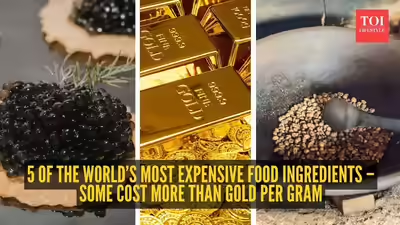
3. Beluga Caviar from the Caspian
While strictly regulated, authentic Beluga caviar remains a staple of European high-society dining. The Huso huso sturgeon can take up to 20 years to reach maturity, and the delicate, buttery roe is prized for its size and creamy texture.
4. Almas Caviar: The Ultimate Luxury
Almas is a rare variety of caviar from albino sturgeon that are nearly 100 years old. Packaged often in 24-karat gold tins, this Iranian-origin delicacy is a frequent centerpiece at Europe’s most exclusive Michelin-starred establishments.
5. Iberico de Bellota Ham
This Spanish ham comes from pigs that roam ancient oak forests eating only acorns. The curing process can last up to four years. The result is a marbled meat with a nutty flavor and fat that melts at room temperature.
6. Balsamic Vinegar of Modena (Tradizionale)
True “Aceto Balsamico Tradizionale” is aged for a minimum of 12 to 25 years in a series of wooden casks. The lengthy evaporation and aging process result in a thick, syrupy nectar that costs hundreds of dollars per small bottle.
7. Pule Cheese from the Balkans
While not as common as Brie, Pule is the world’s most expensive cheese, made from the milk of Balkan donkeys. It takes 25 liters of milk to make one kilogram of cheese, making it an incredibly rare find in European markets.
8. The Culinary Impact of Saffron
Saffron provides more than just a yellow hue; it offers a complex, earthy aroma to dishes like Spanish Paella or French Bouillabaisse. Its high price reflects the immense labor required to bring it from the field to the kitchen.
9. Why White Truffles Can’t Be Farmed
White truffles have a symbiotic relationship with specific tree roots that scientists haven’t been able to replicate in farms. This biological stubbornness ensures that the supply remains low while global demand continues to skyrocket every winter.
10. Grading the Quality of Iberico Ham
The “Black Label” signifies the highest grade of Iberico ham, ensuring the pig was 100% purebred and acorn-fed. This certification protects consumers and justifies the high price point of this world-class charcuterie.
11. The Fragile Nature of Fresh Caviar
Caviar is incredibly sensitive to heat and oxygen. It must be handled with non-metallic spoons—usually mother-of-pearl—to prevent oxidation, which can ruin the metallic-free, clean taste of the delicate sturgeon eggs.
12. Harvesting the Crocus Sativus
The labor involved in saffron harvesting is staggering. Workers must start at dawn before the flowers wilt in the sun. Each flower contains only three small red threads, which are then dried over charcoal fires to enhance flavor.
13. Understanding Truffle Auctions
The most exceptional white truffles are often sold at international auctions, where a single large specimen can fetch over $100,000. These events highlight the ingredient’s status as a luxury commodity rather than a simple food item.
14. The Role of Terroir in European Luxury
Much like wine, the flavor of these expensive ingredients is tied to “terroir.” The specific soil of Piedmont or the oak forests of Extremadura creates flavor profiles that cannot be replicated anywhere else in the world.
15. Culinary Uses of Gold Leaf
While it has no flavor, edible 24-karat gold leaf is frequently used in European pastry arts and high-end entrees. It serves as a visual indicator of luxury, adding significant cost to the final presentation of a dish.
16. The Shelf Life of Luxury
High-end ingredients like fresh truffles have a very short shelf life, often losing half their aroma within five days. This “ticking clock” adds to the logistical cost of transporting them to luxury restaurants across Europe.
17. Wild vs. Farmed: The Caviar Debate
With wild sturgeon endangered, sustainable farming in countries like France and Italy has become the new standard. While still expensive, these farms ensure the future of caviar while maintaining strict quality controls.
18. Pairing Wine with Expensive Ingredients
When cooking with items like truffles or Iberico ham, pairing is essential. Usually, high-acid champagnes or aged Barolos are chosen to cut through the richness of the fats and the intensity of the earthy aromas.
19. The Tradition of Foraging
Truffle hunting is a tradition passed down through generations. Families keep their “secret spots” hidden, using dogs to sniff out the buried treasures, ensuring that the harvest remains a deeply personal and artisanal endeavor.
20. Investing in Quality over Quantity
For the home cook, a tiny amount of a high-quality ingredient—like a single gram of saffron—can transform a dish more effectively than large amounts of cheaper substitutes. These ingredients are about potency and depth of flavor.
SEO Meta Description
Discover the most expensive ingredients in European cooking, from Italian white truffles to Spanish saffron. Learn why these luxury foods command such high prices.
Focus Keywords
- Most expensive ingredients in European cooking
- White Alba Truffles
- Saffron price per gram
- Iberico de Bellota
- Luxury European food
- Beluga Caviar cost
- Traditional Balsamic Vinegar
FAQ Section
Why is saffron so expensive? Saffron is expensive because it is harvested by hand from the Crocus sativus flower. It takes thousands of flowers to produce a small amount of spice, and the harvesting window is very short.
Can you grow white truffles at home? No, white truffles cannot be commercially farmed. They grow wild in specific soil conditions in Italy and must be found using trained animals, which contributes to their extreme rarity and price.
How do I know if Iberico ham is authentic? Authentic Iberico de Bellota ham will feature a specific color-coded tag (black for 100% purebred) and should have visible marbling and a distinct nutty aroma from the acorn diet.
Internal Linking Suggestions
- How to Store Luxury Spices: A Guide to Saffron and Vanilla
- The History of Michelin Star Dining in Europe
- A Beginner’s Guide to Gourmet Truffle Oil vs. Fresh Truffles
Conclusion
The most expensive ingredients in European cooking are more than just status symbols; they are the result of centuries of tradition and a deep respect for nature. Whether it is the labor-intensive harvest of saffron or the decades-long aging of balsamic vinegar, these items provide flavors that simply cannot be synthesized. While they come with a high price tag, their ability to elevate a simple meal into an unforgettable culinary experience remains undisputed.
Leave a Reply