If you walk into a Hungarian kitchen, the first scent to greet you isn’t garlic or onion, but the deep, earthy aroma of drying peppers. While many associate chili peppers with the Americas, it was the Carpathian Basin that truly refined this vibrant spice into a culinary art form. In this exploration of The Spice Route: How Hungary Mastered the Paprika, we dive into the history, science, and soul of a spice that defines a nation’s identity. From the sun-drenched fields of Szeged to the bubbling pots of Gulyás, Hungarian paprika is more than a seasoning; it is a storied legacy of resilience and flavor.
1. The Ottoman Introduction
The journey of paprika began in the 16th century when the Ottomans brought pepper plants to Hungarian soil. Initially treated as an exotic ornamental plant in aristocratic gardens, it took decades for the peasant population to realize the culinary potential of these vibrant red pods.
2. From Medicine to Main Course
Before it was a kitchen staple, paprika was used as a medicinal herb to treat fevers and prevent scurvy. Its high Vitamin C content—later famously proven by Hungarian scientist Albert Szent-Györgyi—made it a vital health supplement long before it became a flavor enhancer.
3. The Terror of the “Turkish Pepper”
Early Hungarian paprika was significantly spicier than the varieties we know today. It was often referred to as “Turkish pepper,” and its heat was used sparingly. It wasn’t until the 19th century that Hungarians mastered the art of removing the spicy ribs and seeds.
4. The Invention of “Noble Sweet”
The breakthrough in Hungarian mastery came with the development of the “Noble Sweet” (Édesnemes) variety. By carefully breeding plants to reduce capsaicin, farmers created a spice that offered deep color and complex sweetness without overwhelming heat, making it accessible to all palates.
5. The Significance of the Szeged Region
Szeged, located in southern Hungary, offers the perfect microclimate for pepper cultivation. With more sunlight hours than almost anywhere else in the country, the peppers grown here develop a high sugar content, which caramelizes beautifully during the drying and grinding process.
6. Kalocsa: The Paprika Capital
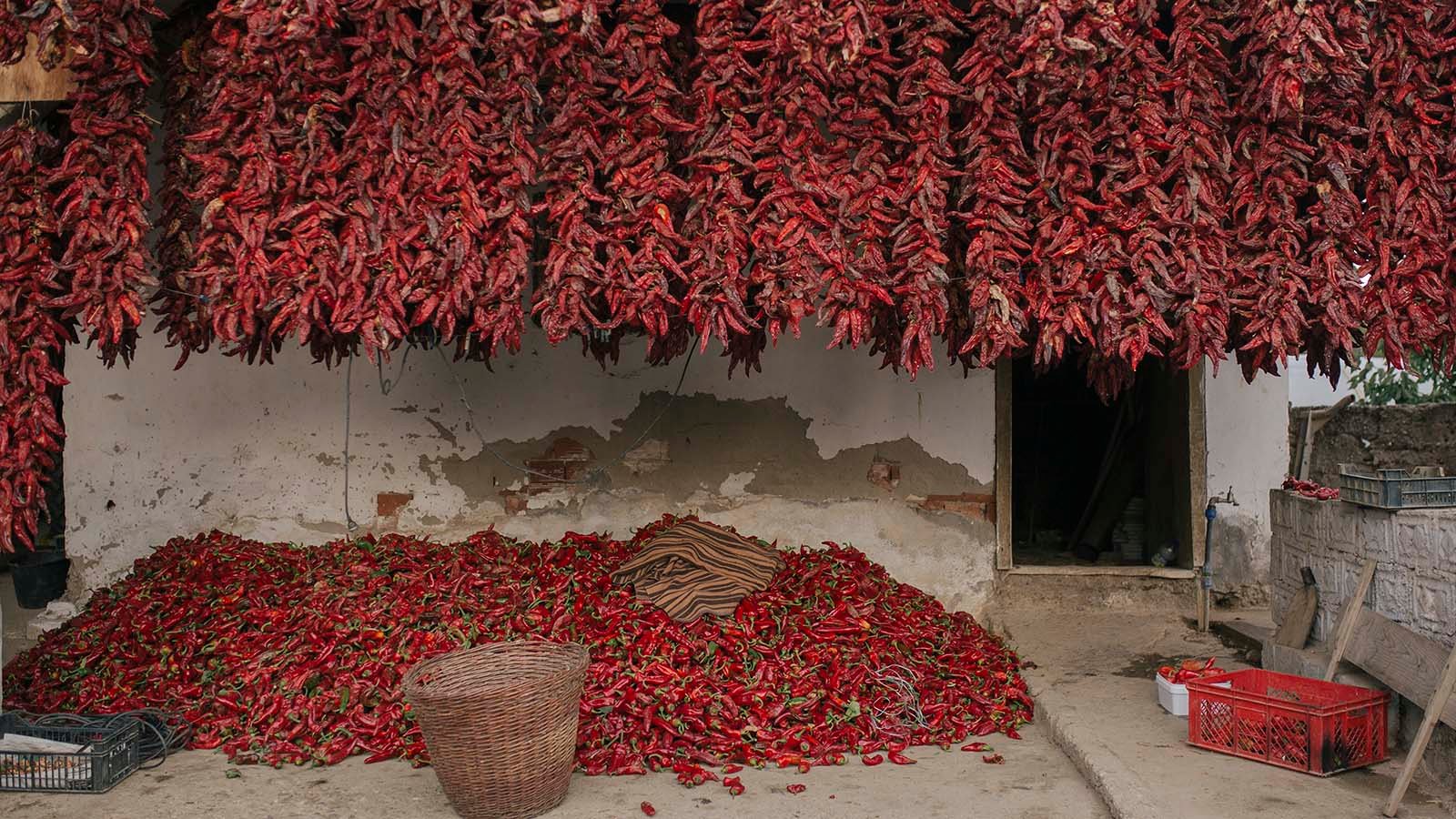
Alongside Szeged, the town of Kalocsa is a titan of production. The region is famous for its “Paprika Houses,” where strings of peppers (fűzér) hang from eaves to air-dry. This traditional method ensures the flavor remains stable and the color stays vivid.
7. Traditional Stone-Grinding Methods
Mastering paprika required precision grinding. Traditional stone mills prevent the spice from overheating during processing. If the powder gets too hot, the natural oils burn, resulting in a bitter taste and a dull, brownish color rather than a brilliant red.
8. Understanding the Eight Grades
Hungary established a rigorous grading system to ensure quality. These range from Különleges (Special quality), which is mild and bright red, to Erős (Strong), which is light brown and packs a significant, spicy punch for those who enjoy heat.
9. The Role of Fat in Releasing Flavor
The secret to Hungarian cooking is “pörkölt” technology. Paprika is fat-soluble, meaning its full flavor and color are only released when toasted in warm lard or oil. This step is crucial for achieving the rich, mahogany hue seen in authentic stews.
10. The Scientific Breakthrough
In 1937, Albert Szent-Györgyi won the Nobel Prize for isolating Vitamin C from Kalocsa paprika. This discovery cemented the spice’s importance, proving that Hungarian mastery wasn’t just about taste, but also about the incredible nutritional density of their local crop.
11. Gulyás: The National Standard
Gulyás (Goulash) is the ultimate testament to paprika mastery. Originally a simple soup made by cattle herders, it evolved into a complex dish where the quality of the paprika dictates the success of the meal, providing body, thickness, and soul.
12. Paprikás vs. Pörkölt
Understanding the nuances of Hungarian cuisine requires knowing the difference between these two. Paprikás uses sour cream to create a silky, mild sauce, while Pörkölt focuses on a heavy, concentrated paprika reduction. Both rely on high-quality spice to succeed.
13. Protecting the Heritage (PDO)
To prevent counterfeiting, Hungarian paprika from Szeged and Kalocsa has “Protected Designation of Origin” (PDO) status. This ensures that any tin labeled as such was grown, processed, and packed within these specific regions using traditional methods.
14. Harvest Traditions
The paprika harvest in September is a cultural event. Communities gather to pick the peppers by hand, ensuring only the ripest pods are selected. This manual labor is a key component of the “mastery” that machines simply cannot replicate.
15. The Drying Process
Proper drying is a delicate balance. Peppers are left to wilt naturally before being moved to ovens or sun-racks. This “after-ripening” period allows the chlorophyll to break down completely, ensuring the final powder is a pure, deep crimson.
16. Culinary Versatility
While synonymous with meat dishes, Hungarian paprika is incredibly versatile. It is used in Körözött (a spicy cheese spread), sprinkled over deviled eggs, or stirred into potato soups, proving its ability to enhance almost any savory ingredient.
17. Identifying Fake Paprika
Mastering the spice means knowing how to spot imitations. Authentic Hungarian paprika should have a sweet, smoky aroma and a fine, silken texture. If it smells like sawdust or looks orange-yellow, it likely lacks the essential oils of the real deal.
18. Storage Secrets
Because of its high oil content, paprika is sensitive to light and heat. To maintain mastery in your own kitchen, store your spice in a cool, dark cupboard or even the refrigerator. This preserves the volatile oils and the vibrant color.
19. A Symbol of Resilience
Throughout wars and economic shifts, the paprika industry remained a constant in Hungary. It became a symbol of national pride and a way for the country to maintain its unique cultural footprint on the global culinary stage.
20. The Global Export
Today, Hungary exports its “red gold” worldwide. Chefs globally recognize that when a recipe calls for paprika, the Hungarian variety provides a depth of flavor—often described as “tobacco-like” or “fruity”—that Spanish or domestic varieties cannot match.
SEO Meta Description
Discover the rich history of The Spice Route: How Hungary Mastered the Paprika. Learn about the types, traditional processing, and health benefits of this red gold. (158 characters)
Focus Keywords
- Hungarian Paprika
- Szeged Paprika
- Goulash Spice
- Noble Sweet Paprika
- Hungarian Culinary History
- Vitamin C in Paprika
- Carpathian Basin Spices
FAQ Section
Q: Is all Hungarian paprika spicy? A: No. Most Hungarian paprika, especially the “Noble Sweet” variety, is valued for its flavor and color rather than its heat. Only specific grades like “Erős” are spicy.
Q: Why is Hungarian paprika better than others? A: The specific climate of the Szeged and Kalocsa regions, combined with traditional stone-grinding and air-drying methods, produces a superior flavor profile and higher oil content.
Q: Can I substitute smoked paprika for Hungarian paprika? A: It is not recommended. Smoked paprika (Pimentón) has a very different flavor profile. Hungarian paprika is defined by its earthy sweetness, not a smoky aroma.
Internal Linking Suggestions
- The Secret to the Perfect Authentic Hungarian Goulash
- Top 10 Essential Spices Every Home Chef Needs
- A Guide to European Spice Markets: From Budapest to Istanbul
Conclusion
Hungary’s journey with the pepper plant is a fascinating tale of transformation. By shifting from an ornamental curiosity to a world-renowned culinary staple, the nation didn’t just adopt a spice—they perfected it. Through rigorous grading, scientific discovery, and traditional farming, The Spice Route: How Hungary Mastered the Paprika remains a vital part of global gastronomy. Next time you see that crimson tin, remember the centuries of craftsmanship packed inside.
Leave a Reply