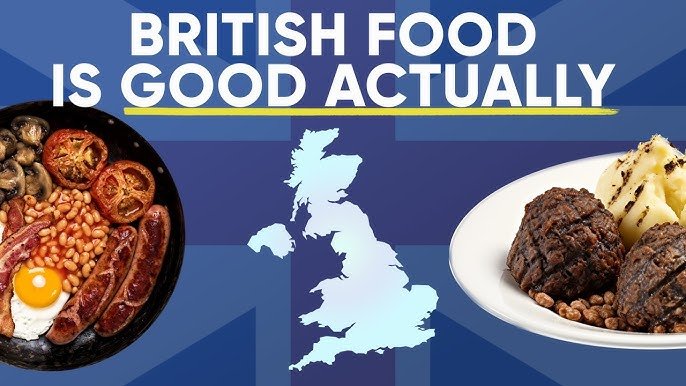
For decades, a tired stereotype has persisted that UK cuisine is nothing more than bland, boiled vegetables and uninspired meat. However, if you look closer at the modern culinary landscape, you’ll find that Why British Food is Actually Good becomes immediately apparent through its focus on high-quality sourcing and seasonal diversity. From the resurgence of artisanal gastropubs to the historical depth of regional specialties, Britain offers a rich tapestry of flavors. This article explores the evolution of British cooking, debunking outdated myths and highlighting why the UK is now a premier global destination for food lovers and serious gastronomes alike.
1. The Power of Seasonal Ingredients
British cooking relies heavily on the natural rhythm of the seasons. Whether it’s spring lamb, summer berries, or autumn root vegetables, the emphasis is on eating what is fresh and local. This seasonal approach ensures maximum flavor and nutritional value in every dish served.
2. Excellence in Dairy and Cheese
France often steals the spotlight, but Britain produces over 700 named cheeses. From the sharp tang of a traditional West Country Farmhouse Cheddar to the complex, creamy blue veins of a protected Stilton, the quality of British dairy is truly world-class and unrivaled.
3. The Art of the Sunday Roast
The Sunday Roast is a cultural institution that defines comfort. It’s not just about the meat; it’s the synergy of crisp Yorkshire puddings, fluffy roasted potatoes, and rich, savory gravy. It represents the pinnacle of British hospitality and slow-cooking techniques.
4. Coastal Freshness and Seafood
As an island nation, Britain has access to incredible seafood. From Scottish langoustines to Cornish crab and Dover sole, the freshness of the “catch of the day” is a staple in coastal towns, proving that British seafood is delicate, sweet, and expertly prepared.
5. The Gastropub Revolution
The rise of the gastropub transformed the perception of “pub grub.” Chefs began applying fine-dining techniques to traditional hearty fare. Today, you can find Michelin-starred meals served in cozy, historic pubs, blending a relaxed atmosphere with elite culinary execution and innovation.
6. Historical Depth and Heritage
British food isn’t new; it’s ancient. Recipes for meat pies, stews, and puddings have been refined over centuries. This heritage provides a sense of “terroir” and soul that modern, trendy cuisines often lack, offering a deep connection to the land and its history.
7. Diverse Multicultural Influences
Modern British food is a melting pot. The UK’s history has integrated flavors from India, the Caribbean, and East Asia into the national diet. Chicken Tikka Masala, often cited as a national dish, showcases how Britain adopts and adapts global spices beautifully.
8. World-Class Pasture-Fed Beef
British beef, particularly breeds like Hereford and Aberdeen Angus, is prized globally. Because of the UK’s lush green grass, cattle are often pasture-fed, resulting in superior marbling and a deep, complex flavor that requires little more than a pinch of salt.
9. The Complexity of Meat Pies
A proper British pie is a masterpiece of pastry and filling. Whether it’s a Steak and Ale pie with melt-in-the-mouth beef or a pork pie with jelly and hot-water crust, the textures and rich umami flavors are a testament to technical baking skills.
10. Exceptional Game Meats
Britain has a long tradition of utilizing game, such as venison, pheasant, and grouse. These meats are lean, sustainable, and offer a robust, earthy flavor profile that is highly sought after by top chefs during the autumn hunting seasons across the countryside.
11. The Perfection of Afternoon Tea
Afternoon tea is more than a snack; it’s a refined culinary ritual. The precision required for finger sandwiches, buttery scones with clotted cream, and delicate patisserie shows a level of detail and elegance that debunks any claims of British “sloppiness.”
12. Iconic Breakfast Traditions
The Full English Breakfast is a masterclass in breakfast engineering. Balancing the saltiness of bacon and sausages with the acidity of grilled tomatoes and the earthiness of black pudding, it provides a hearty, multi-textured start to the day that is globally imitated.
13. Artisanal Baking and Sourdough
The “Real Bread” movement in the UK has seen a massive resurgence. Local bakeries are moving away from processed loaves, focusing on heritage grains and long fermentation processes, resulting in crusty, flavorful breads that are staples in every British kitchen.
14. Sweet Traditions and Puddings
British “puddings” like Sticky Toffee Pudding or Apple Crumble are the ultimate comfort foods. They rely on high-quality butter, sugar, and fruit, creating warm, nostalgic flavors that provide the perfect end to a meal, especially during the colder winter months.
15. Foraging and Wild Foods
Many British chefs are leading the way in using foraged ingredients like wild garlic, elderflower, and samphire. This connection to the wild landscape adds unique, hyper-local flavors to dishes that you simply cannot find in mass-produced international cuisines.
16. The Quality of British Potatoes
It might sound simple, but Britain grows some of the best potatoes in the world. From the waxy Jersey Royal to the floury King Edward, the variety available allows for the perfect texture in everything from chips to mash.
17. Innovation in Modern British Fine Dining
London is now a global culinary capital, rivaling Paris and New York. Contemporary British chefs are experimenting with fermentation, nose-to-tail eating, and molecular gastronomy, pushing the boundaries of what traditional ingredients can achieve in a modern, sophisticated context.
SEO Meta Description
Discover Why British Food is Actually Good as we debunk common myths. Explore the rich flavors of Sunday roasts, artisanal cheeses, and the UK’s modern culinary scene.
Focus Keywords
- Why British Food is Actually Good
- British cuisine myths
- Traditional British dishes
- UK food culture
- Modern British gastropub
- Best British ingredients
- Sunday Roast tradition
FAQ Section
Q: Why does British food have a reputation for being bad? A: This myth largely stems from post-WWII rationing, which lasted until the 1950s. During this time, ingredients were scarce, leading to simplified, bland meals. Today, the food scene has been completely revitalized.
Q: What is the most famous British dish? A: While Fish and Chips is the most iconic, the Sunday Roast and Chicken Tikka Masala are equally significant to the British diet and cultural identity.
Q: Is British cheese as good as French cheese? A: Absolutely. With over 700 varieties, including world-renowned Cheddar and Stilton, British cheeses frequently win top honors at the World Cheese Awards for their quality and craftsmanship.
Internal Linking Suggestions
- The Ultimate Guide to British Afternoon Tea Etiquette
- Top 10 Best Gastropubs to Visit in the UK This Year
- A History of the British Fish and Chips: From Street Food to Icon
Conclusion
British food has undergone a massive transformation, moving far beyond the “bland” stereotypes of the past. By focusing on exceptional local produce, celebrating a diverse range of cultural influences, and maintaining a deep respect for culinary tradition, the UK has solidified its place as a top-tier food destination. Whether you are enjoying a simple meat pie or a complex tasting menu, it is clear that the reality of British cuisine is one of quality, passion, and immense flavor.
Leave a Reply